

Foldable phones have spent years in a curious position within the mobile industry. They have attracted attention for their futuristic designs and larger displays, yet many consumers remained hesitant due to concerns about durability, battery life, software optimization, and high prices.
In 2026, the conversation is starting to change.
Major smartphone manufacturers have now released multiple generations of foldable devices, refining both hardware and software with each iteration. What once felt like an experimental category is gradually becoming a mature segment of the smartphone market.
The key question is no longer whether foldable phones are impressive. Instead, consumers are asking a more practical question: Are foldable phones finally ready for everyday use?
The answer is increasingly leaning toward yes—but with some important caveats.
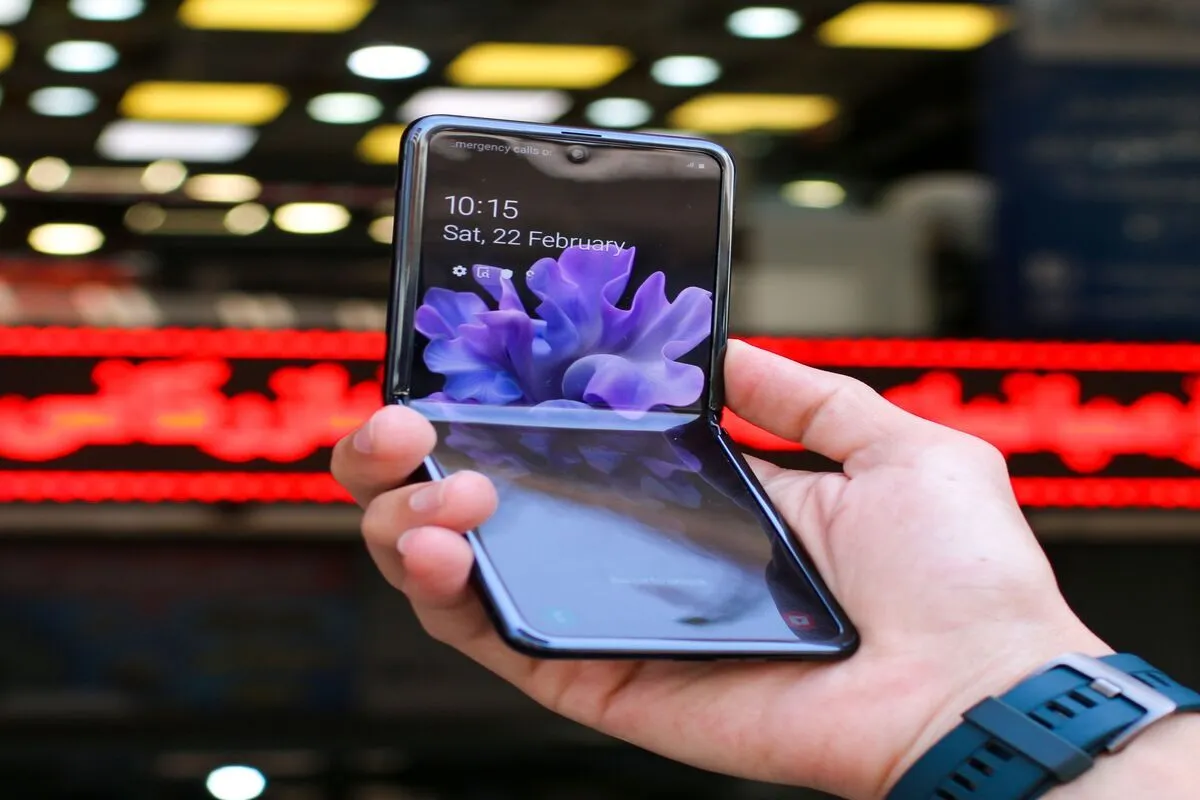
Table of Contents
The Evolution of Foldable Phones
The first generation of foldable smartphones generated excitement but also skepticism. Early devices suffered from visible display creases, fragile hinges, software glitches, and premium price tags that placed them beyond the reach of most buyers.
Fast forward to 2026, and the landscape looks significantly different.
Manufacturers such as Samsung, Google, Honor, OnePlus, Huawei, Motorola, and emerging competitors have spent years improving foldable technology. The result is a category that feels less experimental and more practical.
Several advancements have contributed to this progress:
- Stronger hinge mechanisms
- More durable ultra-thin glass displays
- Better water and dust resistance
- Improved battery efficiency
- Enhanced multitasking software
- Lower manufacturing costs
These improvements have addressed many of the concerns that previously limited mainstream adoption.
Why Foldable Phones Matter
The smartphone market has become increasingly mature. Traditional slab-style phones offer excellent performance, cameras, and battery life, leaving manufacturers with fewer opportunities to introduce revolutionary changes.
Foldables represent one of the industry’s most significant attempts to redefine the smartphone experience.
Rather than simply increasing screen size, foldable devices provide a flexible form factor that can adapt to different situations.
For example:
- A compact phone can unfold into a tablet-sized display.
- Users can run multiple apps simultaneously.
- Video consumption becomes more immersive.
- Productivity tasks become easier on larger screens.
For many users, foldables offer something genuinely different rather than another incremental upgrade.
Hardware Improvements Have Changed the Game
Stronger Hinges and Better Durability
One of the biggest concerns surrounding foldable phones has always been durability.
Early devices often raised questions about long-term reliability. Consumers worried about repeated folding cycles and hinge wear.
In 2026, hinge technology has improved dramatically.
Manufacturers now routinely test hinges for hundreds of thousands of folds, and many premium foldables are designed to withstand years of regular use.
Some newer designs also reduce stress on the display when folded, helping extend screen longevity.
Creases Are Less Noticeable
The visible crease running through the center of foldable displays was once among the category’s most criticized features.
While creases have not disappeared entirely, they have become significantly less noticeable.
Improved display engineering has helped create smoother surfaces that are less distracting during everyday activities such as:
- Watching videos
- Reading articles
- Gaming
- Browsing social media
For many users, the crease is no longer a major purchasing obstacle.
Water and Dust Protection
Another major milestone for foldables has been improved environmental protection.
Several flagship foldable phones now offer water resistance comparable to premium traditional smartphones.
Dust resistance remains more challenging due to the complexity of moving hinge components, but manufacturers continue making meaningful progress in this area.
As a result, foldables now feel more suitable for daily use in real-world environments.
Software Has Finally Caught Up
Hardware improvements tell only part of the story.
One of the biggest reasons foldable phones feel more practical in 2026 is software optimization.
Better Multitasking
Modern foldable operating systems are designed to take advantage of larger displays.
Users can now:
- Run multiple apps side by side
- Drag and drop content between apps
- Open floating windows
- Continue activities seamlessly between folded and unfolded modes
This creates productivity opportunities that traditional smartphones struggle to match.
Improved App Support
A common complaint in earlier years was that many applications were not optimized for foldable screens.
Developers have made significant progress.
Popular categories include:
- Productivity apps
- Streaming platforms
- Social media applications
- Messaging tools
- Business software
Now offers improved support for larger and adaptive screen formats.
The experience feels far more polished than it did just a few years ago.
Battery Life Is Becoming Less of a Concern
Foldable phones have historically faced battery challenges.
Larger displays naturally consume more power, while thinner designs leave limited space for larger batteries.
Fortunately, several trends are helping improve battery performance in 2026:
More Efficient Processors
Modern mobile chipsets deliver higher performance while consuming less energy.
Advancements in semiconductor manufacturing have significantly improved efficiency.
Smarter Software Optimization
AI-powered battery management systems can now better predict usage patterns and allocate power more effectively.
Improved Battery Technology
Manufacturers continue experimenting with higher-density battery materials that increase capacity without dramatically increasing size or weight.
As a result, many flagship foldables now offer battery life comparable to premium traditional smartphones.
Prices Are Becoming More Competitive
Cost remains one of the largest barriers to widespread foldable adoption.
However, the pricing gap has narrowed considerably.
Several factors have contributed:
- Increased production volume
- Manufacturing improvements
- Growing competition among brands
- More mid-range foldable models
Consumers can now find foldable devices at multiple price points rather than only in the ultra-premium category.
While foldables are still generally more expensive than conventional smartphones, they are becoming more accessible.
Who Benefits Most From Foldable Phones?
Not every smartphone user needs a foldable device.
However, certain groups may find them particularly valuable.
Professionals
Business users often appreciate the larger display for:
- Email management
- Document review
- Video conferencing
- Multitasking
A foldable can effectively function as both a phone and a compact tablet.
Frequent Travelers
Travelers benefit from larger screens without carrying additional devices.
Watching movies, reading documents, or managing itineraries becomes more convenient.
Content Consumers
People who spend significant time watching videos, reading digital publications, or browsing the web often enjoy the expanded viewing experience.
Mobile Productivity Users
For users who frequently work from their phones, foldables provide meaningful advantages over traditional devices.
Remaining Challenges in 2026
Despite impressive progress, foldable phones are not perfect.
Several limitations still deserve consideration.
Higher Repair Costs
Foldable displays remain more complex and expensive to repair than conventional smartphone screens.
Consumers should consider warranty options and repair coverage when purchasing a device.
Added Weight
Many foldables are still heavier than traditional smartphones.
While manufacturers continue reducing weight, some users may notice the difference during extended use.
Premium Pricing
Although prices have decreased, flagship foldables remain among the most expensive smartphones on the market.
Budget-conscious buyers may still find better value in conventional devices.
Software Fragmentation
While app support has improved significantly, occasional compatibility issues still exist.
Some apps continue to perform better on traditional screen formats.
How Foldables Compare to Traditional Smartphones
The competition between foldables and standard smartphones is becoming increasingly interesting.
Traditional smartphones still offer several advantages:
- Lower cost
- Simpler design
- Lighter weight
- Proven durability
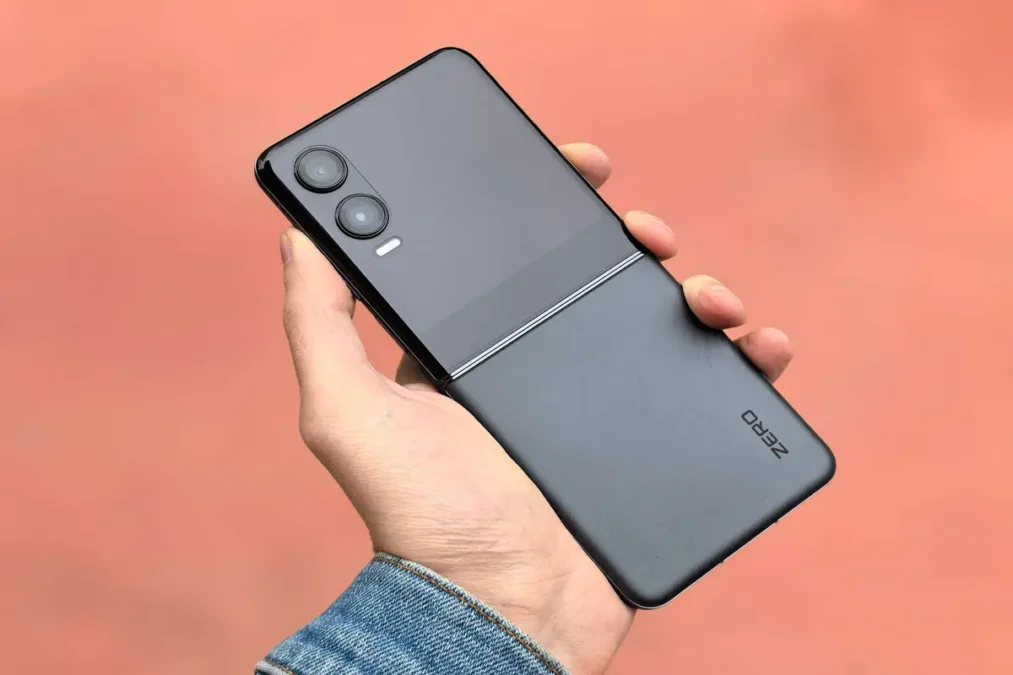
Foldables, however, deliver benefits that standard phones cannot easily replicate:
- Larger displays
- Enhanced multitasking
- Improved productivity
- Greater versatility
For many consumers, the choice comes down to whether those additional capabilities justify the extra cost.
Industry Trends Point Toward Growth
Market trends suggest that foldables are becoming an increasingly important segment of the smartphone industry.
Several developments support this view:
More Manufacturers Entering the Market
Competition is accelerating innovation and helping lower prices.
Better Supply Chains
Improved production capacity is making foldable components more affordable.
Growing Consumer Awareness
As more consumers see foldables in stores and among friends or colleagues, hesitation is gradually decreasing.
AI Integration
Artificial intelligence is becoming deeply integrated into foldable experiences.
AI-powered multitasking, productivity assistance, content organization, and adaptive interfaces are helping maximize the benefits of larger screens.
This combination of foldable hardware and AI software may become a defining trend for premium smartphones over the next several years.
What Should Buyers Consider Before Purchasing?
Consumers considering a foldable phone should evaluate several factors:
Ask Yourself These Questions
- Do you frequently multitask on your phone?
- Would a larger screen improve your workflow?
- Are you comfortable paying a premium price?
- Do you prioritize portability or screen size?
- How important is long-term durability?
The answers can help determine whether a foldable device is the right fit.
For users who primarily use messaging apps, social media, and occasional web browsing, a traditional smartphone may still provide better value.
For power users, however, foldables are becoming increasingly compelling.
Conclusion
Foldable phones in 2026 are closer than ever to fulfilling their original promise.
Years of improvements in durability, display technology, software optimization, battery performance, and pricing have transformed foldables from niche experiments into genuinely practical devices for many users.
They are not yet the perfect solution for everyone. Repair costs, premium pricing, and some lingering software challenges remain important considerations.
However, the question is no longer whether foldables work in everyday life. Many consumers, professionals, and technology enthusiasts already do.
As competition increases and technology continues to mature, foldable smartphones appear positioned to become a lasting part of the mobile industry rather than a passing trend.