

Sharing files between devices used to mean carrying USB drives, emailing large attachments to yourself, or struggling with slow Bluetooth transfers. Today, wireless file-sharing apps make the process much faster and more convenient. Whether you’re moving photos from your phone to your laptop, sharing work documents with teammates, or sending videos between Android and iPhone devices, there’s an app designed for the job.
The challenge is choosing the right one. Some apps focus on speed, while others prioritize privacy, cloud syncing, or cross-platform compatibility.
In this guide, we’ll look at the best apps for wireless file sharing between devices, compare their strengths, and help you find the right option for your needs.
Table of Contents
Why Wireless File Sharing Apps Matter
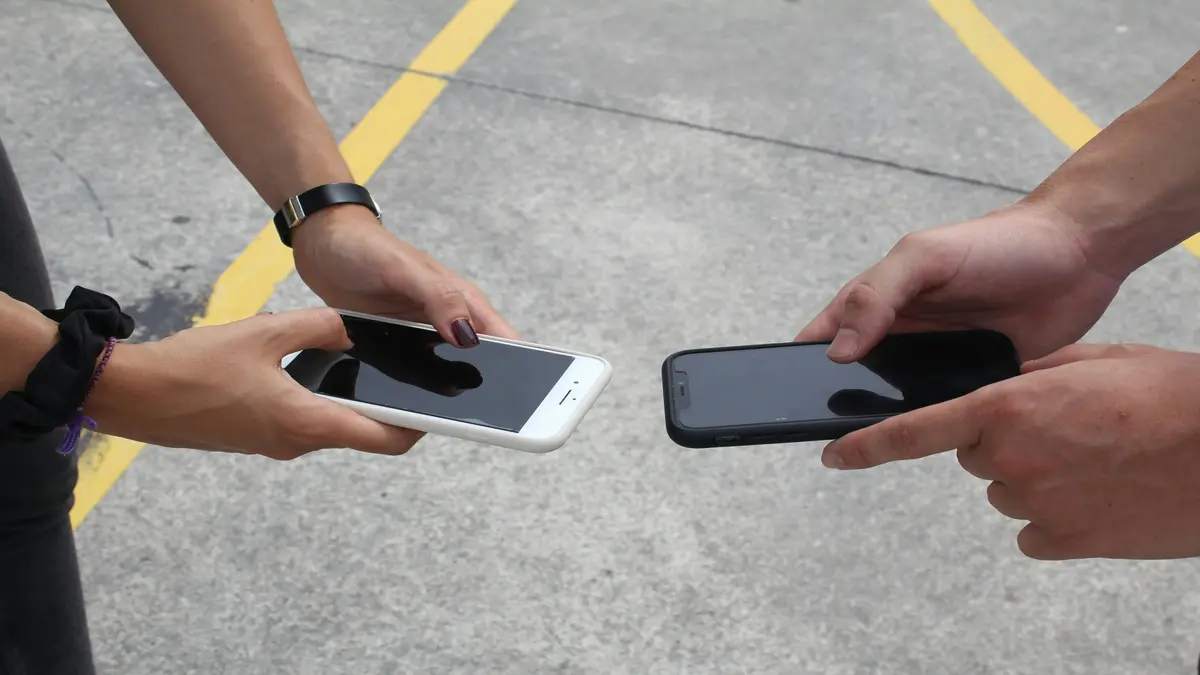
Wireless file-sharing apps let users transfer files without cables or external drives. Most modern tools use Wi-Fi Direct, local networks, Bluetooth, or cloud technology to send files quickly and securely.
These apps are useful for:
- Students sharing notes or presentations
- Remote workers transferring documents across devices
- Families sharing photos and videos
- Creators moving large media files
- Anyone switching to a new phone or computer
The biggest advantage is convenience. You can move files between devices in seconds, often without internet access.
Best Apps for Wireless File Sharing Between Devices
1. Nearby Share (Quick Share)
Best for Android and Chromebook Users
Google’s Nearby Share, now integrated with Samsung’s Quick Share branding on many devices, is one of the easiest ways to transfer files between Android devices and Chromebooks.
Key Features
- Fast wireless transfers using Wi-Fi Direct
- Share photos, videos, apps, and links
- Works offline
- Simple device discovery
- Built into many Android phones
Benefits
Nearby Share is ideal for users who want a native solution without installing extra software. It feels similar to Apple’s AirDrop and works smoothly within the Android ecosystem.
Pros
- Free to use
- Easy setup
- Fast transfers
- Secure encrypted sharing
Cons
- Limited support for iPhones
- Best experience on Android devices
Platform Compatibility
- Android
- Chromebook
- Windows (limited support through the app)
Pricing
Free
2. AirDrop
Best for Apple Ecosystem Users
If you use an iPhone, iPad, or Mac, AirDrop remains one of the most reliable wireless file-sharing tools available.
Key Features
- Instant Apple-to-Apple transfers
- High-speed local sharing
- No internet required
- Built directly into iOS and macOS
Real-World Use Cases
- Sending photos from iPhone to Mac
- Sharing presentations in meetings
- Quickly transferring videos between Apple devices
Pros
- Extremely fast
- Very user-friendly
- No third-party apps needed
- Strong privacy protections
Cons
- Only works within the Apple ecosystem
- Discovery settings can sometimes be confusing
Platform Compatibility
- iPhone
- iPad
- Mac
Pricing
Free
3. SHAREit
Best for Cross-Platform Sharing
SHAREit became popular because it allows wireless transfers between different operating systems.
Features
- Transfer files between Android, iPhone, Windows, and Mac
- Supports large files
- Offline sharing
- Media playback tools included
Benefits
SHAREit works well for users with mixed-device environments. You can move files between a Windows PC and an Android phone without relying on cables.
Pros
- Broad platform support
- Fast transfer speeds
- No internet required
Cons
- Ads in the free version
- Interface can feel cluttered
- Privacy concerns reported in past versions
Pricing
Free with ads
Beginner Tip
Only download SHAREit from official app stores to avoid modified versions or security risks.
4. Send Anywhere
Best for Simple and Secure Sharing
Send Anywhere offers a clean approach to wireless transfers using temporary six-digit codes or share links.
Key Features
- Device-to-device transfers
- Temporary download links
- End-to-end encryption
- No account required for basic use
Why Users Like It
The app avoids unnecessary complexity. You enter a code, connect devices, and transfer files quickly.
Pros
- Simple interface
- Strong privacy features
- Cross-platform support
Cons
- Free version has transfer size limits
- Some features require a premium plan
Platform Compatibility
- Android
- iPhone
- Windows
- Mac
- Linux
- Web browser
Pricing
- Free plan available
- Premium plans available
5. Snapdrop
Best Browser-Based Option
Snapdrop is often described as a lightweight AirDrop alternative that works in a browser.
Features
- No installation required
- Works on local Wi-Fi network
- Browser-based transfers
- Open-source platform
Benefits
It’s perfect for quick transfers when you don’t want to install another app.
Pros
- Completely free
- Works across platforms
- Very lightweight
Cons
- Requires devices on the same network
- Fewer advanced features
Compatibility
- Any device with a modern browser
Pricing
Free
6. Xender
Best for Large Media Transfers
Xender is another popular app for transferring videos, music, and large files without mobile data.
Features
- Fast wireless transfers
- Group sharing
- Phone replication tools
- Cross-platform support
Real-World Use Cases
- Migrating files to a new smartphone
- Sharing movies with friends
- Sending folders without compression
Pros
- High transfer speeds
- Supports many file types
- Easy device pairing
Cons
- Ads in the app
- User interface feels outdated
Platform Compatibility
- Android
- iOS
- Windows
- Mac
Pricing
Free
How to Choose the Right File Sharing App
Not every app fits every user. Your ideal choice depends on the devices you use and how often you transfer files.
Choose Nearby Share or AirDrop If:
- You mostly use one ecosystem
- You want the simplest experience
- You prefer built-in tools
Choose Send Anywhere If:
- Privacy matters to you
- You transfer files occasionally
- You want easy cross-platform support
Choose SHAREit or Xender If:
- You regularly send large files
- You use multiple device types
- Speed is your priority
Choose Snapdrop If:
- You want a browser-based option
- You dislike installing extra apps
- You need quick temporary transfers
Wireless File Sharing Safety and Privacy Tips
Wireless sharing apps are convenient, but users should still pay attention to privacy and security.
Use Trusted Sources
Always download apps from:
- Google Play Store
- Apple App Store
- Official websites
Avoid unofficial APK downloads unless you fully trust the source.
Turn Off Discovery When Not Using It
Apps like AirDrop and Nearby Share let nearby devices detect your phone. Disable visibility after transfers to reduce unwanted connection requests.
Avoid Public Wi-Fi for Sensitive Files
Although many apps use encryption, public networks can still introduce security risks. For sensitive documents, use encrypted sharing tools or private networks.
Check App Permissions
Some file-sharing apps request unnecessary permissions. Review access settings carefully, especially for contacts, location, and storage.
Comparison Table: Best Wireless File Sharing Apps
| App | Best For | Platforms | Internet Required | Free Version |
|---|---|---|---|---|
| Nearby Share | Android users | Android, Chromebook | No | Yes |
| AirDrop | Apple users | iPhone, iPad, Mac | No | Yes |
| SHAREit | Cross-platform sharing | Android, iOS, Windows, Mac | No | Yes |
| Send Anywhere | Secure transfers | All major platforms | Optional | Yes |
| Snapdrop | Browser-based sharing | Any browser | Same network | Yes |
| Xender | Large media files | Android, iOS, Windows, Mac | No | Yes |
Tips for Beginners Using Wireless File Sharing Apps
Keep Devices Close
Most local transfer apps work best when devices are nearby.
Use Wi-Fi Instead of Bluetooth When Possible
Wi-Fi Direct transfers are significantly faster for large files like videos.
Organize Files Before Sending
Grouping files into folders can make transfers cleaner and easier to track.
Update Apps Regularly
Updates often improve speed, compatibility, and security.
Future Trends in Wireless File Sharing
Wireless file sharing continues to improve as ecosystems become more connected.
Some emerging trends include:
- Faster Wi-Fi Direct standards
- Better Android-to-iPhone compatibility
- AI-assisted file organization
- More encrypted peer-to-peer transfers
- Seamless syncing between phones, tablets, and PCs
As remote work and multi-device workflows become more common, file-sharing apps will likely focus even more on privacy, speed, and simplicity.
Frequently Asked Questions
1. What is the fastest wireless file-sharing app?
Apps using Wi-Fi Direct, such as Nearby Share, AirDrop, and Xender, usually offer the fastest transfer speeds.
2. Can I transfer files between Android and iPhone?
Yes. Apps like Send Anywhere, SHAREit, and Snapdrop support cross-platform transfers between Android and iPhone devices.
3. Do wireless file-sharing apps use mobile data?
Most local sharing apps use Wi-Fi Direct or local networks instead of mobile data.
4. Are wireless file-sharing apps safe?
Most reputable apps are safe when downloaded from official sources. Choose apps with encryption and avoid suspicious third-party downloads.
5. Which app is best for large video files?
Xender and SHAREit are commonly used for transferring large media files quickly.
6. Do I need internet access for wireless file sharing?
Not always. Many apps work offline using direct wireless connections.
7. What’s the easiest option for beginners?
AirDrop for Apple users and Nearby Share for Android users are usually the easiest because they are built into the operating system.
Conclusion
Wireless file-sharing apps have made transferring files faster and less frustrating than ever before. Whether you use Android, Apple devices, Windows PCs, or a mix of platforms, there’s a solution that fits your workflow.
For simplicity, built-in tools like AirDrop and Nearby Share are hard to beat. If you need flexibility across different devices, apps like Send Anywhere and Snapdrop provide excellent alternatives. Meanwhile, SHAREit and Xender remain useful for large file transfers and mixed-device environments.
As wireless technology continues to evolve, file sharing will likely become even more seamless, secure, and integrated into everyday productivity tools.